
Thyroid cancer can develop anywhere from 5 to 10 years after exposure to ionizing radiation, with peak incidence occurring between 20 and 35 years later. For many individuals who were exposed during childhood or young adulthood, elevated risk can persist for 50 years or even throughout a lifetime. Five-year minimum onset: The minimum latency period
Read MoreBlog
Overturning Rejected Claims: Correcting Records for Atmospheric Radiation Exposure

In short, Downwinders can overturn rejected claims by correcting historical health and residency records. Specific timeframes and geographic standards are needed to satisfy federal eligibility across affected western states. The Cancer Benefits Center for Downwinders® offers specialized advocacy to help families navigate the complex appeals process and secure financial restitution. Overturning rejected claims for atmospheric
Read MoreVA Benefits vs. RECA: Which Compensation Applies to Bikini Atoll Veterans?
Bikini Atoll veterans may qualify for both VA disability compensation and RECA benefits, and pursuing both is often the right move. VA benefits provide monthly compensation and ongoing health care, while RECA offers a one-time lump-sum payment. Eligibility for one does not disqualify a veteran from the other. Bikini Atoll radiation victims have two distinct
Read MoreHow Does Exposure to Radiation Cause Stomach Cancer?
Exposure to radiation, particularly ionizing radiation from nuclear weapons testing or occupational sources, causes stomach cancer by directly damaging DNA in gastric cells. DNA destruction leads to cancer. Ionizing radiation shatters DNA inside stomach cells, overwhelming the body’s natural repair systems and triggering uncontrolled cell growth. The stomach is a recognized radiation target. Federal scientific
Read MoreLong-Term Effects of Radiation Exposure on the Thyroid Gland

Cancer help organizations report that radiation exposure can damage the thyroid gland for decades, raising the risk of thyroid cancer, nodules, and hormone problems. The danger is highest for people exposed as children, and many downwinders still face health effects today. In short, Radiation damage to the thyroid can lead to cancer many years after
Read MoreCan Marshall Islands Radiation Cause Veteran Thyroid Cancer?
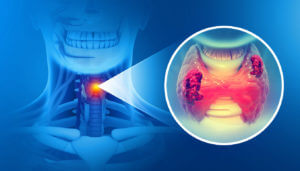
In short, Radiation exposure significantly increases the risk of developing thyroid cancer later in life. Veterans stationed in the Marshall Islands and Downwinders® exposed to nuclear testing face elevated health risks. Early detection and proper treatment are crucial for securing better health outcomes. Financial compensation and advocacy support are available for eligible individuals. If you
Read MoreWhere Did Nuclear Testing Happen in the United States?

Nuclear testing primarily took place in the state of Nevada, specifically at the Nevada Test Site, exposing many Americans to harmful radiation. The Nevada Test Site. Most detonations occurred here, releasing dangerous radioactive fallout. The Trinity Site. The first historic detonation happened in the desert of New Mexico. Severe Health Risks. Radiation exposure increases the
Read MoreHow Much Radiation Exposure Raises Thyroid Cancer Risk?

In short, even low levels of radiation exposure, particularly during childhood, can significantly increase thyroid cancer risk. Individuals living downwind of nuclear test sites face elevated risks due to radioactive iodine-131 exposure. Childhood exposure matters most. Young thyroid glands are highly sensitive to radiation, with even small doses potentially causing cancer decades later. Distance from
Read MoreAre Veterans Exposed to Radiation Compensated?

Yes, veterans exposed to radiation are compensated if they can prove their illness is connected to their military service. The Department of Veterans Affairs (VA) recognizes certain cancers and diseases as presumptive conditions for “Atomic Veterans” and others exposed to ionizing radiation. Presumptive conditions exist. The VA assumes service connection for specific cancers and diseases
Read MoreDenied Benefits? Common Issues When Applying for Veteran Compensation

In short, denials often stem from missing medical links or paperwork errors, but you can successfully appeal these decisions. Evidence is crucial. You must prove a clear medical nexus connects your condition to your service. Deadlines are strict. Missing a single date can cause the VA to deny your entire claim immediately. Appeals offer hope.
Read More
