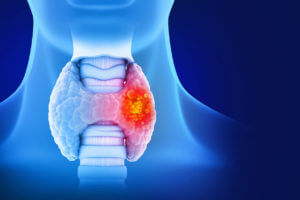
Cancer help organizations report that radiation exposure can damage the thyroid gland for decades, raising the risk of thyroid cancer, nodules, and hormone problems. The danger is highest for people exposed as children, and many downwinders still face health effects today.
In short,
- Radiation damage to the thyroid can lead to cancer many years after exposure.
- Young, developing thyroids absorb more radioactive iodine and face the highest risk.
- Federal programs and cancer help organizations offer support, screening guidance, and compensation.
Cancer help organizations have spent years studying how a single event decades ago can still shape a person’s health today, and few examples are clearer than radiation exposure to the thyroid gland. The thyroid is small, but it controls how your body uses energy, regulates your heartbeat, and manages many other vital functions.
When radioactive fallout from atmospheric nuclear tests drifted across the western United States, it carried particles that settled directly into the thyroids of unsuspecting families. Today, many of those individuals – now in their 60s, 70s, and 80s – are learning that the effects never truly went away.
This blog explains what radiation does to the thyroid over the long term, who is most at risk, and what steps you can take to protect your health and seek the support you deserve.
What Does Radiation Do to the Thyroid Gland Over Time?
Radiation harms the thyroid mainly through a substance called iodine-131, a radioactive form of iodine released during nuclear tests. The thyroid cannot tell the difference between safe iodine and radioactive iodine, so it absorbs both.
Once inside, iodine-131 concentrates in the gland and damages the DNA of thyroid cells. According to the Cleveland Clinic, this DNA damage can lead to mutations that cause cancer years or even decades later.
The long-term effects are not limited to cancer. Radiation exposure can also cause:
- Thyroid nodules or lumps
- Hypothyroidism, an underactive thyroid
- Benign thyroid tumors
- Permanent changes in hormone levels
These conditions can appear long after the original exposure, which is why cancer help organizations stress the importance of lifelong monitoring.
Why Is Thyroid Cancer Linked to Radiation Exposure?
Thyroid cancer is one of the most well-documented results of radiation exposure. The gland is especially sensitive because it naturally pulls iodine from the bloodstream, including the radioactive kind.
A study published in the journal Science in 2021 examined survivors of the Chornobyl accident and found a clear genomic signature linking radioactive iodine to papillary thyroid cancer. The research showed that radiation caused specific DNA breaks in thyroid cells, confirming the direct connection between fallout and cancer.
Even low levels of exposure matter. The World Health Organization notes that there is no completely “safe” dose of radioactive iodine when it comes to thyroid risk, particularly for those exposed at a young age.
Who Faces the Highest Risk of Thyroid Cancer from Radiation Exposure?
Not everyone exposed to radiation faces the same level of risk. Several factors influence how likely a person is to develop long-term thyroid problems.
Children are by far the most vulnerable group. Their thyroids are still growing and absorb more iodine than adult thyroids do.
A study published in 2006 in the Journal of the National Cancer Institute, Risk of Thyroid Cancer After Exposure to Iodine-131 in Childhood, found that thyroid cancer rates rose in areas with higher iodine-131 doses from the Nevada Test Site. The data confirmed that childhood exposure carried the greatest danger.
Key risk factors include:
- Young age at exposure: Developing thyroids absorb the most radioactive iodine.
- Higher fallout dose: Living closer to test sites increased total exposure.
- Contaminated food and milk: Iodine-131 entered the body through everyday diets.
Who Are Downwinders and Why Are They Still Affected
Downwinders are people who lived in regions exposed to radioactive fallout from atmospheric nuclear tests, mainly during the 1950s and 1960s. Communities in Arizona, Idaho, Nevada, New Mexico, and Utah were among the most heavily affected.
Between 1945 and 1962, the United States conducted more than 100 atmospheric nuclear tests, many at the Nevada Test Site. Wind carried the fallout across multiple states, exposing thousands of families to iodine-131.
Many downwinders developed thyroid cancer, leukemia, and other illnesses years afterward. This is why cancer help organizations continue to focus on these communities, where the health effects of radiation are still unfolding decades later.
What Are the Symptoms of Radiation-Related Thyroid Problems
Thyroid problems often develop quietly, with few or no symptoms in the early stages. Regular screening is the best way to catch issues before they become serious.
Warning signs of thyroid cancer from radiation exposure and related conditions can include the following:
- A lump or swelling in the neck
- Hoarseness or other voice changes
- Trouble swallowing
- Ongoing pain in the neck or throat
- Swollen lymph nodes
If you lived in an affected area and notice any of these symptoms, it is important to see a healthcare provider promptly. Early detection greatly improves treatment outcomes.
How Can Downwinders Protect Their Thyroid Health
Protecting your thyroid starts with awareness and consistent medical care. Cancer help organizations recommend a proactive approach for anyone with a history of radiation exposure.
There are several practical steps you can take to stay ahead of potential problems.
Get Regular Health Screenings
Routine checkups can catch thyroid changes early, often before symptoms appear. Your doctor may recommend blood tests, a neck ultrasound, or a thyroid biopsy based on your exposure history.
These screenings are simple, low-risk, and can make a major difference in outcomes. Early treatment of thyroid cancer is often highly successful.
Understand Your Personal Risk
Knowing where you lived and when can help you and your doctor assess your risk. People who spent their childhood near test sites during the fallout period should pay special attention.
Sharing this history with a medical provider helps guide the right screening plan. Cancer help organizations can also assist you in documenting this exposure.
Maintain a Healthy Iodine Balance
A diet with adequate stable iodine supports overall thyroid function. While diet cannot reverse past exposure, it helps the gland work as it should.
Talk with your doctor before making major dietary changes or taking supplements. Your provider can tailor advice to your specific health needs.
How Do Cancer Help Organizations Support Affected Families
Cancer help organizations do far more than provide information – they offer real, hands-on assistance to people navigating complex federal programs. For downwinders, this support can be life-changing.
The Radiation Exposure Compensation Act (RECA), passed in 1990, was created to help individuals harmed by atmospheric nuclear testing. Eligible individuals diagnosed with covered cancers, including thyroid cancer, may qualify for financial compensation.
To qualify, applicants generally must show:
- Proof of living in a covered area during testing
- A diagnosis of a covered cancer, such as thyroid cancer
Filing a claim can be confusing and time-consuming. Working with an experienced organization removes much of that burden and improves the chances of a successful outcome.
Frequently Asked Questions
Below you’ll find some of the most commonly asked questions regarding thyroid cancer from radiation exposure.
How long after radiation exposure can thyroid cancer appear?
Thyroid cancer can develop many years or even decades after radiation exposure. According to the reports, latency periods of 10 to 30 years or longer are common, which is why lifelong screening is recommended for downwinders.
Is thyroid cancer from radiation exposure treatable?
Yes. Thyroid cancer is often highly treatable, especially when caught early. Common treatments include surgery, radioactive iodine therapy, and thyroid hormone replacement, such as levothyroxine (Synthroid).
Who qualifies for compensation through RECA?
People who lived in covered areas of Arizona, Idaho, Nevada, New Mexico, or Utah during the testing period and later developed a covered cancer, including thyroid cancer, may qualify. A confirmed diagnosis and proof of residency are typically required.
Can adults who were exposed still be at risk?
Yes. While children face the highest risk, adults exposed to iodine-131 can also develop thyroid problems. Cleanup workers and residents exposed as adults have shown increased thyroid cancer risk in several studies.
What should I do if I think I was exposed?
Start by speaking with a healthcare provider about thyroid screening. Then contact a cancer help organization that specializes in radiation exposure claims to learn about your compensation options.
Get Compensation for Thyroid Cancer from Radiation Exposure
The long-term effects of radiation exposure on the thyroid gland have changed countless lives across downwind communities, and you do not have to face them alone. Cancer help organizations like Downwinders® are here to stand beside you every step of the way.
At Downwinders®, our experienced team can determine your eligibility and file a thyroid cancer compensation claim on your behalf, with a process success rate exceeding 95%. We serve affected individuals and families across Arizona, Nevada, Utah, and other downwind states.
If you or a loved one were affected, act today to access the compensation and resources you deserve. To learn more or get started, complete our registration form. We look forward to serving you.

