In short,
- Radiation exposure significantly increases the risk of developing thyroid cancer later in life.
- Veterans stationed in the Marshall Islands and Downwinders® exposed to nuclear testing face elevated health risks.
- Early detection and proper treatment are crucial for securing better health outcomes.
- Financial compensation and advocacy support are available for eligible individuals.
If you served in the military during the mid-20th century or lived in specific parts of the American West, you might have been exposed to invisible dangers. Between the 1940s and 1990s, extensive atmospheric nuclear testing took place. This testing released significant radioactive fallout into the environment.
For veterans stationed in the Marshall Islands and residents living near test sites, this fallout carried severe health consequences. One of the most common and serious conditions linked to these events is thyroid cancer. Understanding the connection between thyroid cancer caused by radiation exposure and your military service or residency is the first step toward protecting your health and asserting your legal rights.
Understanding Thyroid Cancer and Radiation Exposure
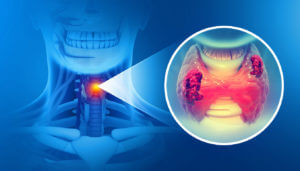
Your thyroid is a small, butterfly-shaped gland located at the base of your neck. It plays a vital role in your body by producing hormones that regulate metabolism, heart rate, and body temperature. When abnormal cells grow uncontrollably within this gland, thyroid cancer develops.
How Radiation Damages the Thyroid
According to the American Thyroid Association, the thyroid gland is highly sensitive to radiation. This sensitivity is especially high during childhood and adolescence. When radioactive particles enter the body, whether through breathing contaminated air or consuming contaminated food and water, they can settle in the thyroid.
Over time, this ionizing radiation damages the DNA of thyroid cells. This damage leads to mutations and uncontrolled cell growth, eventually causing cancer. Because there is often a long delay between the initial exposure and the onset of the disease, thyroid cancer radiation exposure remains a critical health concern decades after the nuclear tests ended.
Veterans, Downwinders, and Elevated Risk
Not everyone exposed to radiation will develop cancer, but certain groups face a significantly higher risk due to the nature of their exposure.
Marshall Islands Veterans
Veterans who participated in nuclear testing programs, particularly those stationed in the Marshall Islands, experienced intense radiation exposure. These service members often worked in close proximity to blast sites, unknowingly breathing in radioactive dust and handling contaminated equipment.
If you are a veteran who served in these areas, your risk of developing thyroid-related illnesses is notably higher.
The Downwinders®
The danger did not stop at the military base. Radioactive clouds drifted across the United States, deeply affecting civilians living near the Nevada Test Site. These individuals, known as “downwinders,” resided in specific counties across Arizona, Nevada, Idaho, New Mexico, and Utah. Many of these residents, particularly those who were children during the atmospheric testing era, now face elevated rates of thyroid cancer.
Recognizing the Signs and When to Seek Care
Thyroid cancer often presents with subtle early symptoms, or sometimes no symptoms at all, according to the Mayo Clinic. This makes regular medical check-ups absolutely essential for anyone with a history of radiation exposure.
Common Symptoms to Watch For
When symptoms do begin to appear, they can include:
- A noticeable lump or nodule in the neck (often the first sign)
- Persistent changes in your voice, such as unexplained hoarseness
- Difficulty swallowing or breathing normally
- Unexplained, persistent pain in the neck or throat
- Swollen lymph nodes in the neck area
When to Contact a Doctor
If you have a history of radiation exposure and notice any of these symptoms, report them to your healthcare provider immediately. While these signs can sometimes result from less serious conditions, a new neck lump or persistent voice change warrants prompt medical investigation.
Seek emergency medical attention if you experience severe difficulty breathing or swallowing.
Diagnosis and Staging
Diagnosing thyroid cancer starts with a thorough physical examination. Your doctor will check your neck for physical lumps or swelling. Following the physical exam, they will likely order blood tests to evaluate your thyroid hormone levels.
If your doctor detects a suspicious nodule, an ultrasound will help visualize the gland. To confirm a cancer diagnosis, a medical professional will perform a fine-needle aspiration biopsy to collect cells for laboratory examination.
Once confirmed, advanced imaging tests like CT or MRI scans help determine the cancer’s stage, which dictates the most effective treatment strategy.
Treatment Options and Long-Term Management
Thyroid cancer is highly treatable, especially when medical professionals detect it early. Your medical team will tailor your treatment plan based on the specific type of cancer, its stage, and your overall health.
Comprehensive Treatment Approaches
Surgery is the most common primary treatment for thyroid cancer. Surgeons often perform a thyroidectomy to remove part or all of the affected gland. Following surgery, doctors frequently use radioactive iodine therapy to target and destroy any remaining cancer cells or thyroid tissue.
In more advanced or aggressive cases, treatment may involve external beam radiation, targeted therapy, or chemotherapy. Always make treatment decisions in close consultation with your medical care team.
Navigating Life After Treatment
Life after thyroid cancer treatment requires diligent, long-term management.
- Lifelong Medication: Since surgery typically removes the thyroid gland, most patients will need lifelong thyroid hormone replacement medication.
- Regular Monitoring: You will require routine blood tests and imaging scans to monitor for any recurrence of the cancer.
- Comprehensive Care: Post-treatment care should address not only your physical recovery but also potential side effects like fatigue and weight changes, as well as your emotional well-being.
- Support Systems: Joining a support group can provide invaluable emotional comfort and practical advice as you navigate life as a survivor.
Frequently Asked Questions
Below, you’ll find answers to some of the most common questions about thyroid cancer from radiation exposure.
What should I avoid if I have thyroid cancer from radiation exposure?
If you have been diagnosed with thyroid cancer due to radiation exposure, it is vital to follow your doctor’s medical advice. Maintaining healthy habits, such as avoiding smoking and limiting alcohol, is generally recommended. For specific guidance on diet and physical activity, consult your oncologist, who can tailor a plan to your condition and treatment.
What are the common treatment options for thyroid cancer from radiation exposure?
Treatment options vary based on the cancer’s type and stage. They often include surgery, radioactive iodine (RAI) therapy, and thyroid hormone therapy. For advanced cases, external radiation or targeted drug treatments may be used. Your medical team will create a personalized treatment plan for you.
Can thyroid cancer from radiation exposure come back after treatment?
Yes, thyroid cancer can return, even years after successful treatment. Long-term monitoring through regular follow-up appointments, blood tests, and imaging is critical for early detection and prompt management of any recurrence.
Support and Compensation for Veterans with Thyroid Cancer Radiation Exposure
You do not have to fight this battle alone. If you developed thyroid cancer after serving in the Marshall Islands or living downwind of nuclear test sites in Arizona, Nevada, Idaho, New Mexico, or Utah, you may be entitled to financial compensation.
Federal programs, such as the Radiation Exposure Compensation Act (RECA) and VA benefits, exist to provide compassionate restitution to those harmed by atmospheric nuclear testing. However, navigating the claims process can feel overwhelming and legally complex.
Our advocacy team at Downwinders® is dedicated to helping affected veterans and downwinders secure the justice and financial support they deserve. We understand the heavy burden this illness places on you and your family, and we are here to handle the intricate legal details so you can focus on your health.
Use our online information request form to schedule a free consultation today.

