In short,
- Understand the key health benefits available to those affected by nuclear testing.
- Take steps to document your exposure and seek medical care.
- Consider the long-term implications and resources for support.
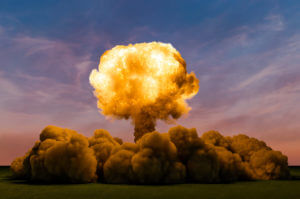
From 1946 to 1958, the United States conducted nuclear tests in the Marshall Islands, significantly impacting the health of the Marshallese people and others. The Marshall Islands nuclear tests, especially those at Bikini Atoll, exposed many to dangerous levels of radiation.
This information focuses on the health effects, available resources, and how individuals can seek assistance.
What are the Health Effects of Radiation Exposure?
For people in the Marshall Islands, nuclear tests contributed to many health problems, which also impact those in Arizona, Nevada, Idaho, New Mexico, and Utah. These problems resulted from exposure to radioactive fallout, which contaminated the environment and food chain.
Radioactive fallout includes radioactive particles that fall to the earth after a nuclear explosion. Radiation exposure can damage cells and increase the risk of developing health conditions. The long-term health consequences are a major concern for those affected.
Common Health Issues
Radiation exposure from the Marshall Islands nuclear tests has been linked to several health issues that can appear years after exposure. Ongoing monitoring and care are essential. Some health issues from the Marshall Islands nuclear tests include
- Thyroid cancer:Cancer of the thyroid gland, which makes hormones that control metabolism.
- Other thyroid disorders:Including thyroid nodules (growths on the thyroid) and hypothyroidism (underactive thyroid).
- Leukemia:Cancer of the blood and bone marrow.
- Other cancers:Including breast cancer, lung cancer, and colon cancer.
- Birth defects and developmental issues in children:Resulting from radiation exposure during pregnancy.
Understanding Radiation Exposure
The main source of exposure from the Marshall Islands nuclear tests was radioactive fallout, which contaminated the soil, water, and food in the Marshall Islands and surrounding areas, as well as affecting those in Arizona, Nevada, Idaho, New Mexico, and Utah. Even now, there are concerns about the long-term effects.
Radioactive fallout contains radioactive isotopes, which are unstable forms of elements that release radiation. These isotopes can stay in the environment for years, posing a continued risk.
How Does Radiation Affect the Body?
Radiation exposure can harm the body in several ways. Understanding these effects is important for getting the right medical care and support.
- Radiation damages cells and DNA, which can lead to mutations and cell death.
- It can increase the risk of cancer by interfering with normal cell growth.
- The effects may take years to show up, so long-term monitoring is important.
Resources and Compensation
Several programs and resources are available to help those affected by the Marshall Islands’ nuclear tests. These include medical care, compensation, and support services. Eligibility for compensation may depend on location and medical history.
Because navigating these resources can be complex, getting help from organizations that specialize in support is recommended. These organizations can help you understand eligibility and complete the necessary paperwork.
Available Assistance Programs
Several programs offer financial support, medical care, and other services to those affected by radiation exposure.
- Radiation Exposure Compensation Act (RECA): This law provides compensation to people who developed specific cancers after radiation exposure from the Marshall Islands nuclear tests.
- Medical Benefits: You may be able to receive medical care through government programs. Talk to your doctor about available benefits.
- Downwinders® Cancer Benefits Center: Provides help with the claims process for eligible individuals.
How Do I Seek Assistance?
If you lived in Arizona, Nevada, Idaho, New Mexico, or Utah, seeking assistance can be overwhelming, but there are actions you can take.
- Document your Residency:Collect records that prove you lived in the affected areas during the testing periods. This might include utility bills, property tax records, or school records.
- Compile your Medical Records:Gather all medical records related to any health conditions you may have developed. This includes doctors’ notes, lab results, and treatment plans.
- Consult Legal Advice:Get legal advice about your eligibility and options for compensation or medical benefits. An attorney can help you navigate the legal process and protect your rights.
When to Seek Care
If you think you were exposed to radiation from the Marshall Islands nuclear tests or lived in Arizona, Nevada, Idaho, New Mexico, or Utah, it is important to get a medical evaluation. This is especially important if you have symptoms or a family history of related health conditions.
Contact Downwinders® to see if you are eligible for benefits. Early detection and treatment can improve outcomes for many radiation-related health conditions. Regular check-ups and screenings are essential for those at risk.
Getting Help from Downwinders® If You Developed Cancer from Marshall Islands’ Nuclear Test
Downwinders® helps people affected by the Marshall Islands’ nuclear test get the compensation and medical benefits they deserve. We understand the challenges you face and are committed to providing support.
Our team can help you with every step of the claims process, from gathering documents to understanding the legal requirements. We are here to advocate for your rights and ensure you get the help you need.
Use our online request information form to get started.

